Of the world's greenhouse gas emissions come from Food Waste
In Switzerland, that’s the equivalent of 50% of the pollution from private motorized transport.
A few useful numbers to grasp what the food we don’t eat actually represents, both at a country scale and at a team scale.
2.8 million tonnes of food end up in the bin every year, around 89 kilos every second, or 330 kg per resident. Switzerland is Europe’s second-biggest waster, just behind Portugal.
Put plainly, it’s as if we threw away one meal out of three.
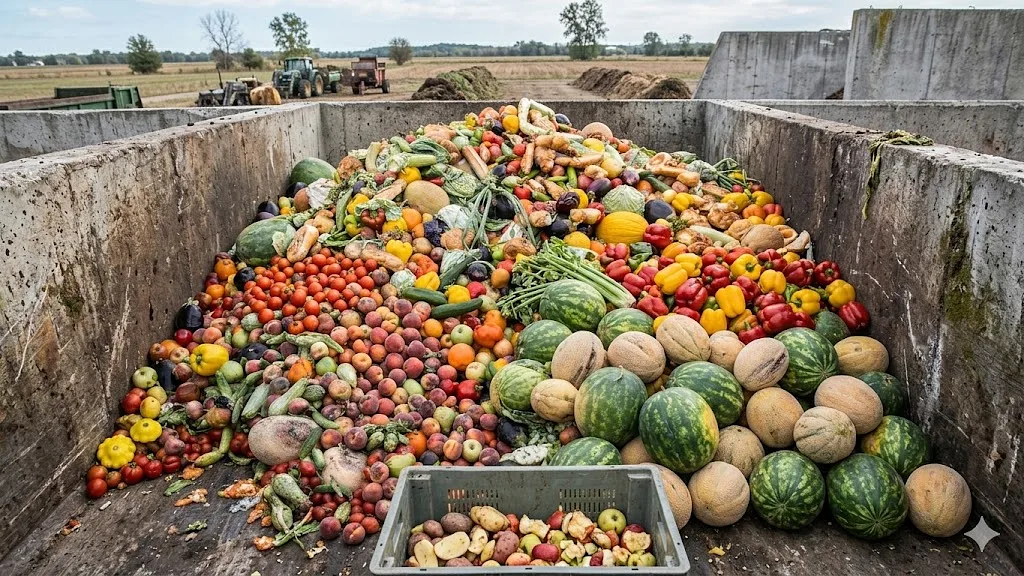
2.5 billion tonnes go to waste each year, around 40% of all global food production. That’s the weight of 50 cars tossed every second.
Source: ETH Zurich, FOEN, ETH Zurich, Beretta & Hellweg
In Switzerland, that’s the equivalent of 50% of the pollution from private motorized transport.

Are used to grow food that will end up in the bin, an area larger than China. In Switzerland, it’s more than half of the country’s farmland.

is used to produce food that will ultimately be wasted.
If Food Waste were a country, it’d take the podium among the world’s biggest polluters, right behind China and the United States. It’s responsible for 8 to 10% of global greenhouse gas emissions.
In Switzerland, the Federal Council has committed to halving avoidable food losses by 2030, in line with the UN’s 2030 Agenda. The payoff: a 10 to 15% drop in the country’s food-related environmental impact.
Sources: WWF Switzerland, UNEP Food Waste Index, FOEN Action Plan against Food Waste, 2022

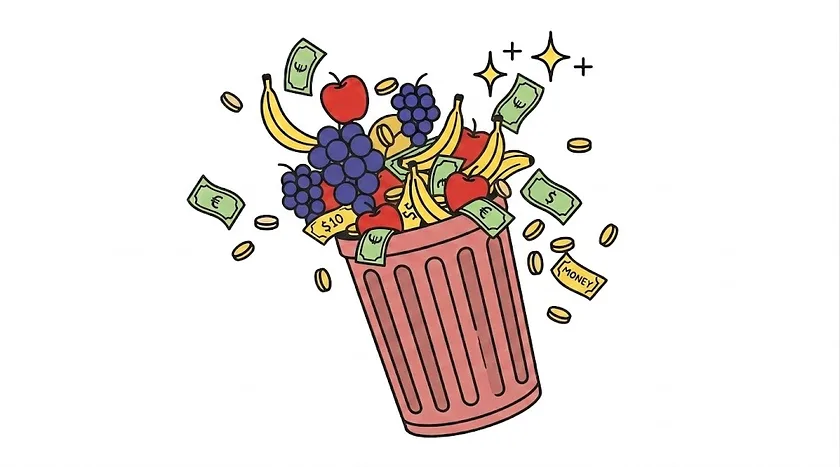
About 20% of Switzerland’s Food Waste happens upstream, at the Producers. Off-size vegetables, fruit that’s too small or too big, harvest surplus with no buyer. For the farmer, as for the food-industry SME, those are weeks of work that’ll never be paid for.
Sources: FOEN / La Vie économique

In Switzerland, 80% of a farming family’s income depends on the sale of its produce. Every crate turned down for cosmetic reasons hits that income directly. For a company, choosing Imperfect over standard takes nothing away from the quality of the product. And it pays better tribute to the work that went into it.
Source: Swiss Farmers’ Union
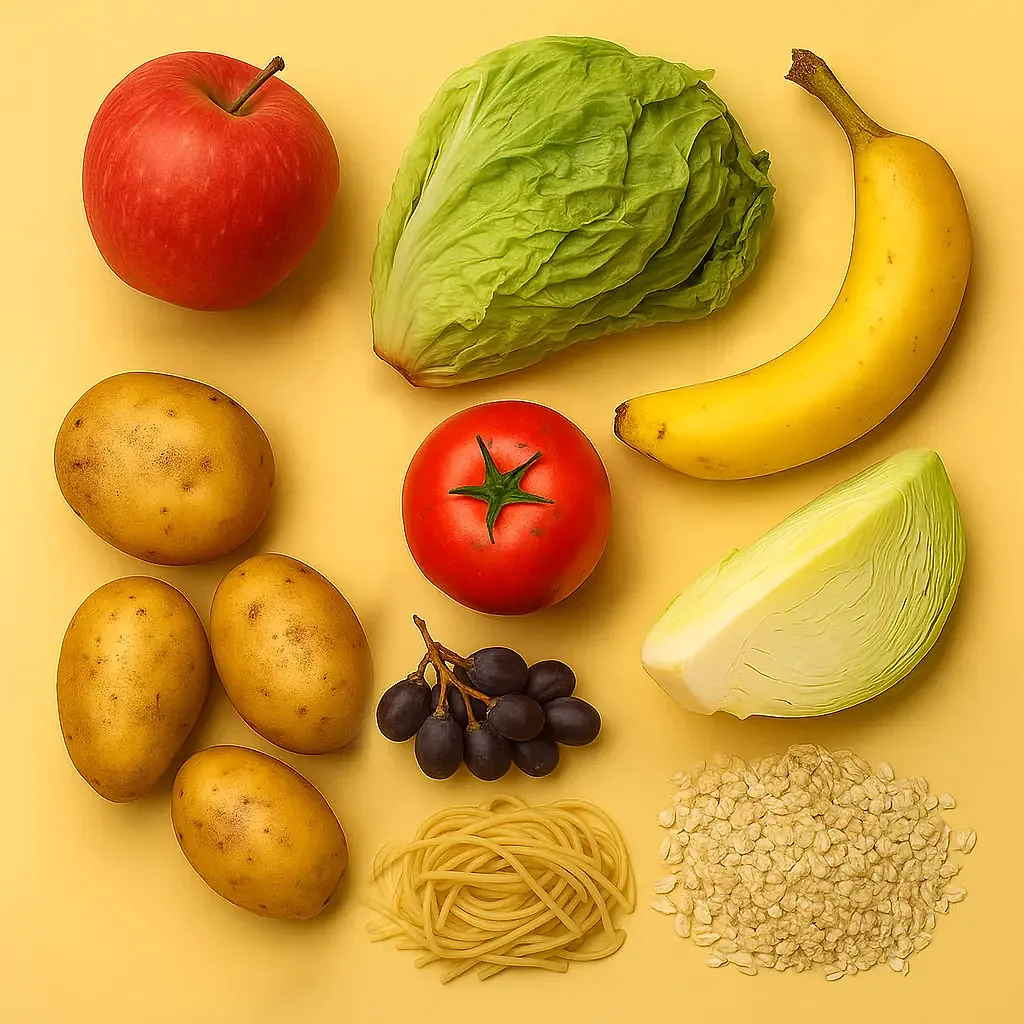
Waste hits every kind of food, but on average around the world it’s first vegetables (25%), followed by cereals (24%) and fruit (12%).
That’s why we’re tackling vegetables and fruit first.
Source: FOEN